Veterans, You Were Trained to Handle It. What Happens When You Can't Anymore?
You have learned to survive, but now you must learn to live.
You were trained to handle it.
The long days. The pressure. The uncertainty. The responsibility.
You learned to keep moving when you were exhausted. To stay focused when things were chaotic. To put the task ahead of yourself. For many of us, those skills don't simply disappear when military service ends.
Sometimes, they're still running the show years later.
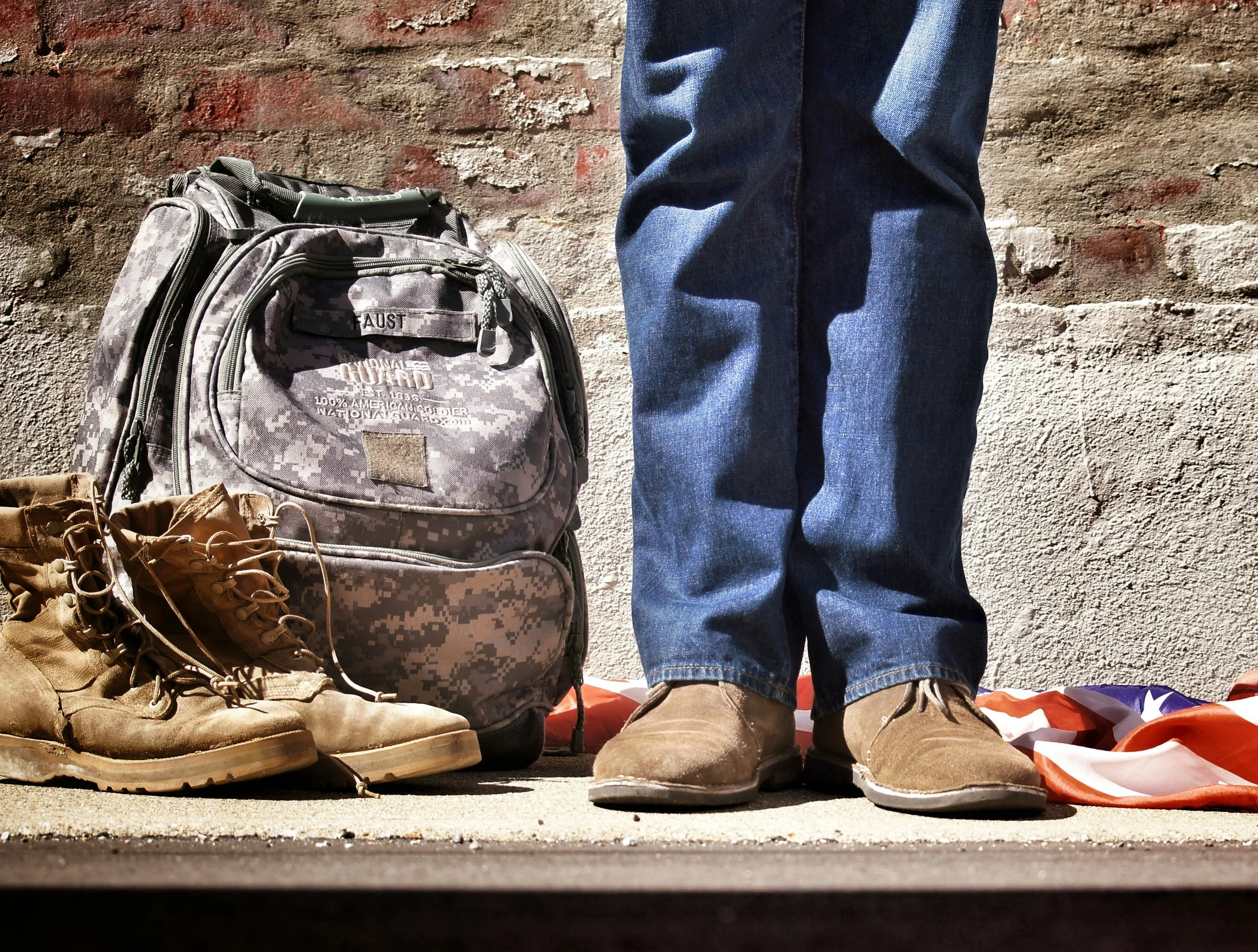
One of the hardest parts of leaving military service can be figuring out what comes next.
When "Handling It" Stops Working
Military training can teach valuable skills: discipline, resilience, teamwork, and the ability to function under pressure. But those same skills can sometimes make it difficult to recognize when you need support.
You may tell yourself:
"I've dealt with worse."
"Other people have it harder."
"I should be able to handle this."
"I don't need therapy."
But struggling doesn't mean you're weak. And asking for help doesn't erase the strength that got you through difficult experiences. Sometimes, strength means recognizing when the way you've learned to survive is no longer helping you.
When the Mission Is Over
One of the hardest parts of leaving military service can be figuring out what comes next.
Without the structure, purpose, identity, and camaraderie of military life, some veterans experience anxiety, irritability, isolation, difficulty connecting with others, or a persistent sense that something is missing.
For others, the impact shows up at home.
You may love your partner but struggle to communicate. You may find yourself becoming angry over things that never used to bother you. You may feel emotionally disconnected from your family—or simply unable to explain what you're experiencing.
And sometimes, you don't even know why you're struggling.
You Don't Have to Prove You Can Handle Everything
There is an important difference between resilience and endurance.
Resilience isn't pretending you're unaffected. It is the ability to adapt, recover, and move forward—including recognizing when you need support.
Therapy doesn't require you to relive everything you've experienced or surrender your independence. It can simply be a place to understand what you're carrying, identify patterns that aren't serving you anymore, and develop new ways of responding.
You spent years learning how to take care of the mission. It's time to take care of yourself.
If you're a veteran struggling with relationships, anxiety, anger, or trauma, you don't have to figure it all out alone.
Asking for help isn't failing.
It's the next step forward.
Denny Mihalek is a mental health counselor in Nashville, Tennessee. He is dedicated to helping fellow veterans.
If something in this article sounds familiar, you don’t have to figure it out alone. Therapy can provide a place to slow things down, understand what’s happening beneath the surface, and begin making meaningful changes.